
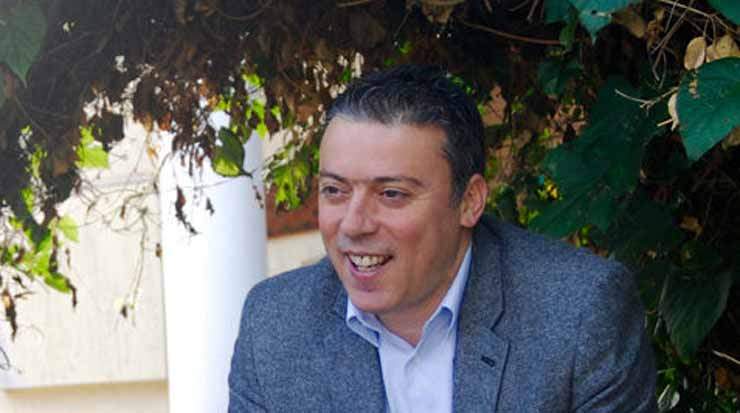

NASOS HADJIGEORGIOU, EXECUTIVE MANAGER, PAFOS REGIONAL BOARD OF TOURISM, DISCUSSES HOW IT IS SET TO CHANGE THE FUTURE OF CYPRUS’ TOURISM LANDSCAPE.
TRAVEL TRADE CYPRUS: How many visitors did Paphos welcome in 2016?
NASOS HADJIGEORGIOU: The Paphos region is one of the most popular destinations, attracting visitors on an all year round basis.
In 2016, the region welcomed approximately 38 – 40 percent of the total tourist arrivals in Cyprus, which amounted to around 1.2 million visitors.
This is an increase of approximately 15 – 18 percent from 2015 and makes 2016 a record year not only for Paphos, but for the entire island.
In addition, during 2016, Paphos better balanced its core customer mix and in doing so had successfully attracted visitors from a wide range of differing profiles, segments and markets, thus making the destination more economically sustainable.
During the summer period, Paphos proved popular in attracting primarily individual travellers, families, and young couples, whilst during the other months of the year we offered a destination aimed at the many special interest groups, such as sports and athlete tourism, conference and incentives.
We also generated excellent numbers of more mature travellers and long stayers.
Paphos’ top three source markets for 2016 were the UK, Russia and Germany.
TRAVEL TRADE CYPRUS: How is the achievement of being named European Capital of Culture expected to change the tourism industry in the years to come?
NASOS HADJIGEORGIOU: The destination is certainly changing with the entire area undergoing huge upgrades, all of which will focus on offering a genuine enrichment of the quality of life for both locals and for our visitors.
These include important infrastructure developments ranging from the beach front areas, to archaeological sites, upgrades in the town centre, refinement of the building environment and a host of other improvements.
All organised parties at a regional level, such as our local authorities, travel associations and hoteliers, are working together to achieve a common goal which is to create a modern infrastructure which will raise the image and aesthetics of the region, and the end result will be a new, modern, and very welcoming, well developed destination.
For over 40 years Paphos has enjoyed an ever increasing level of tourism and 2016 was indeed a record.
Now we look forward to this year and our current bookings indicate that once again the region will welcome an increased amount of travellers from all over Europe, Russia and the Middle East .
In addition, the cultural events are promoted in such a way that every citizen and traveller will feel that they also participate.
The strong bonds made with other European countries have been further enhanced and strengthened, with the result being that the region is, and will continue to be, widely known via the myriads of articles and publications currently in circulation.
Not only does the Open Air Factory programme of the Pafos2017 offer high artistic expectations, it is also an initiative which aims to leave behind a legacy featuring the new infrastructures, new institutions and programmes, and will also bring a shift in the mind-sets of people about the perception of culture in general, linking art and beauty with the quality of their everyday lives.
European Capital of Culture is not just a 12 month journey through a cultural cornucopia of events and so on, for us it is also a dawning of a new and exciting beginning for Paphos.
TRAVEL TRADE CYPRUS: In terms of cultural offerings, what can tourists expect this year when visiting Paphos?
NASOS HADJIGEORGIOU: The programme of Pafos2017 includes more than 150 projects with the participation of hundreds of creators, artists and contributors from Paphos, Cyprus, Europe and further afield.
Specifically, Paphos will host a number of original multicultural productions, state supported events, residencies and international synergies, as well as collaborations with other European Capitals of Culture – primarily with Aarhus as we share the title for the year.
The programme is built around three basic lines: Myth and Religion, World Travellers and Stages of the Future.
These outline a truly fascinating narrative of Paphos and of its place within a European and global context both in the past, present and the future.
These projects will act as open invitations for its people to become actively engaged in our open spaces of natural beauty, and venues of historical value, where we can follow the creativity that has led us to the formation of our fundamental culture and traditional European heritage.
The Open Air Factory will trace the work of the Pafian people and its visitors to allow us all to take a rather exciting and fascinating trip into the past, the present and also the future.
In addition to the core programme offered by Pafos2017, other events are planned to take place throughout the year instigated via our municipalities, local communities, private sector and others.
Not forgetting of course the range of cultural experiences offered by the whole region such as food and wine tours, and visiting local markets and crafts people, both in town and country areas.
I would like to highlight one even which I feel will reflect positively in terms of promotional exposure and artistic level, the arrival of the Berlin Philharmonic, one of Europe’s finest orchestras, which on May 01 will perform in front of the medieval castle, to be a hot ticket number for those who relish a truly marvellous musical experience.
TRAVEL TRADE CYPRUS: What are the overall targets for Paphos this year?
NASOS HADJIGEORGIOU: Paphos will continue the implementation of its strategy and action plans to achieve a range of important goals.
The main targets will be to extend the summer season and increase tourism flow during the cooler and winter months; to increase air connectivity to Pafos International Airport; to enhance the competitiveness of the region as a quality tourist destination; to enhance the tourist experience offered mainly on segments that can ease seasonality such as sports, rural tourism, conferences & incentives; and to promote actions in order to create more awareness for the destination.
When it comes to promoting the Paphos region, the regional tourism board has planned and already implements several promotional activities ranging from public relation events, to travel exhibitions, renewal of digital and printed promotional material and the introduction of new tools for a more effective business-to-business and business-to-consumer marketing.
The prime aim and objective will of course be the extension of the summer season so we can further increase our flow of tourists during the winter and early spring.